

Water Softener Manuals and Resources
Look for a Document
-
-
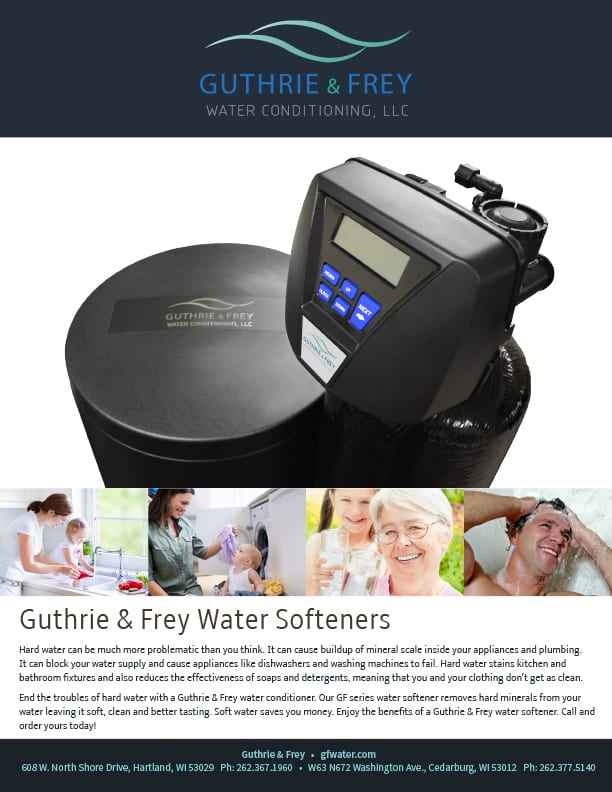
GF Series R1 Brochure
-
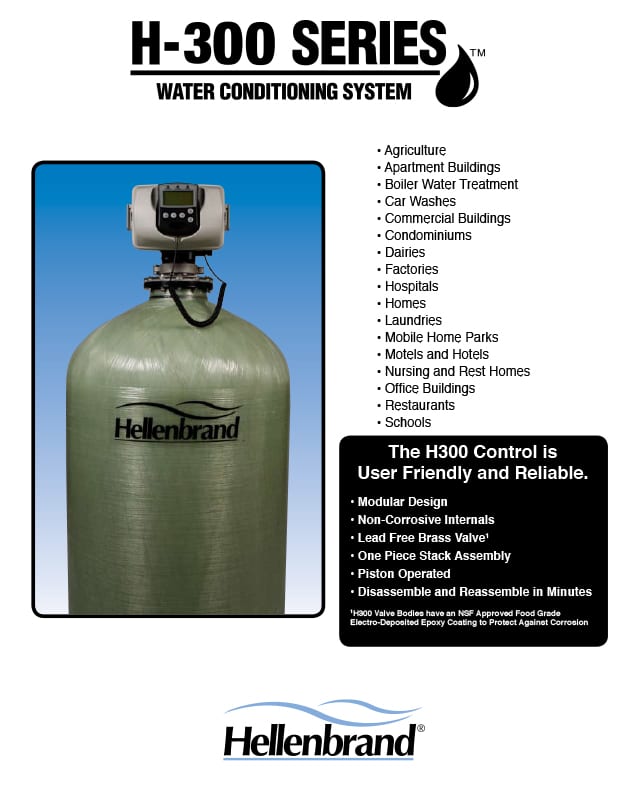
H-300 Series Brochure
-
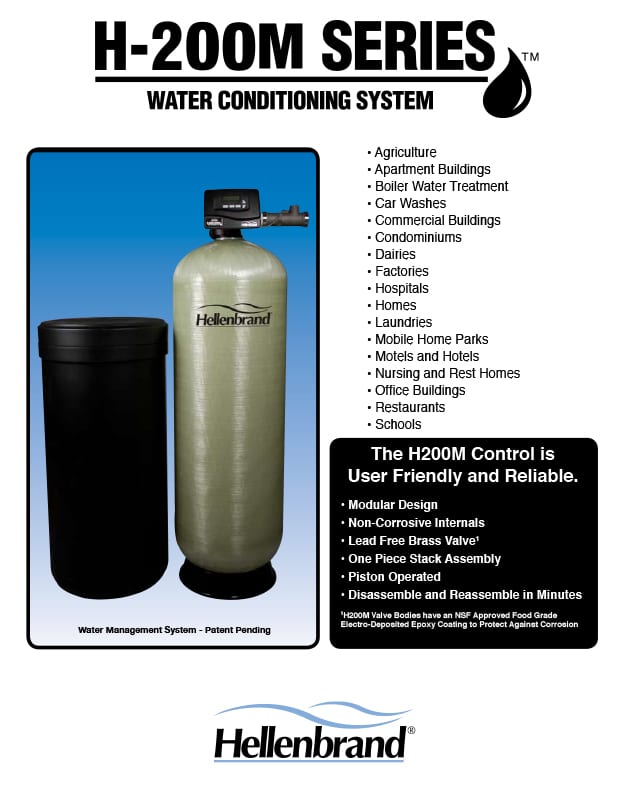
H-200M Series Brochure
-
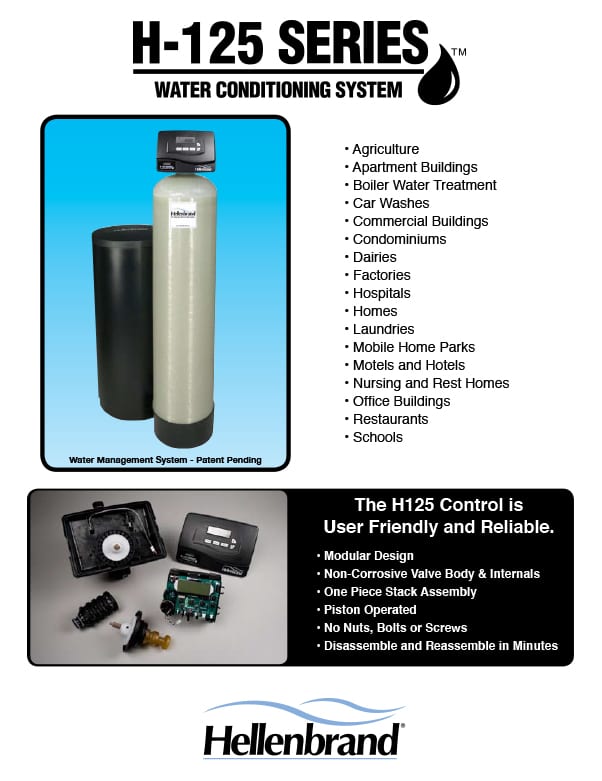
H-125 Series Brochure
-
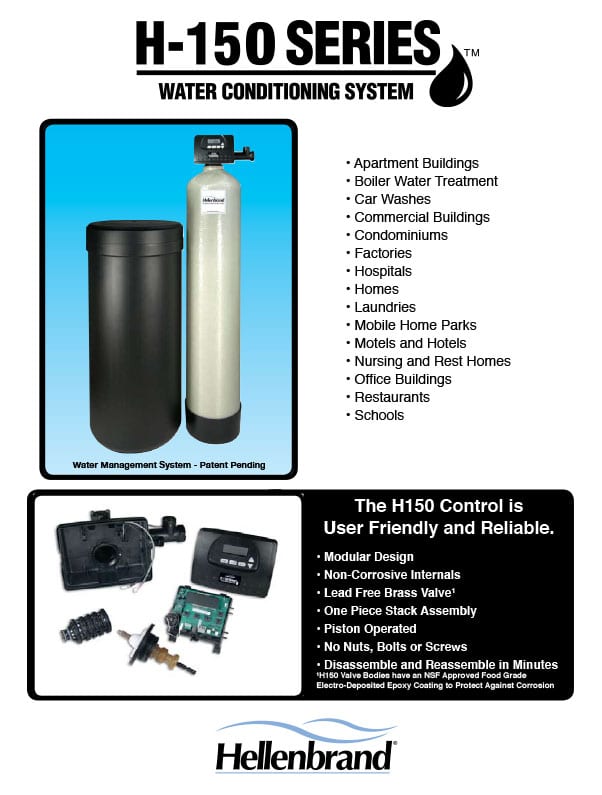
H-150 Series Brochure
-
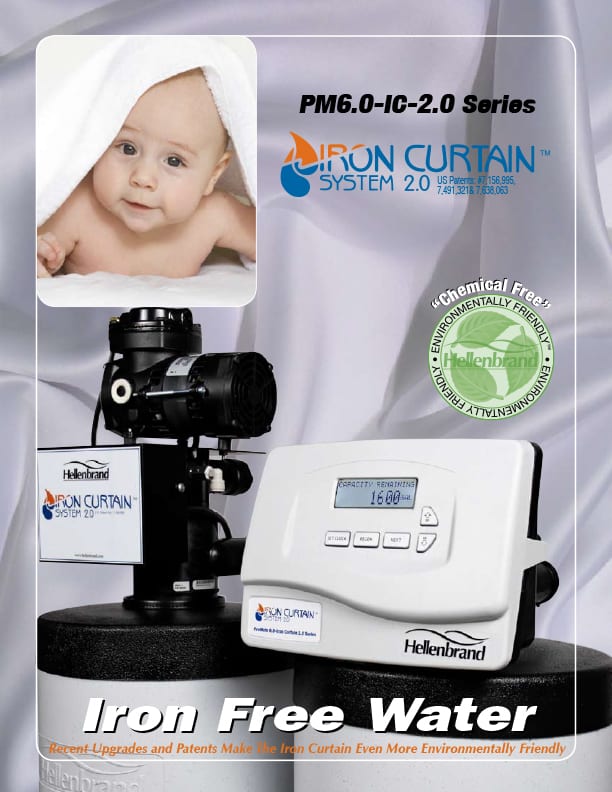
Iron Curtain 6.0 Brochure
-
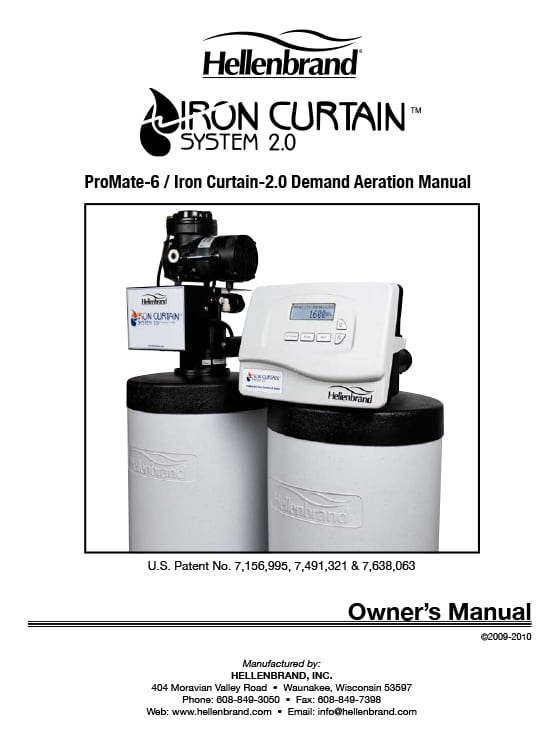
Iron Curtain 6.0 Manual
-

Reverse Osmosis Millenium Brochure
-

Reverse Osmosis Millenium Manual
-
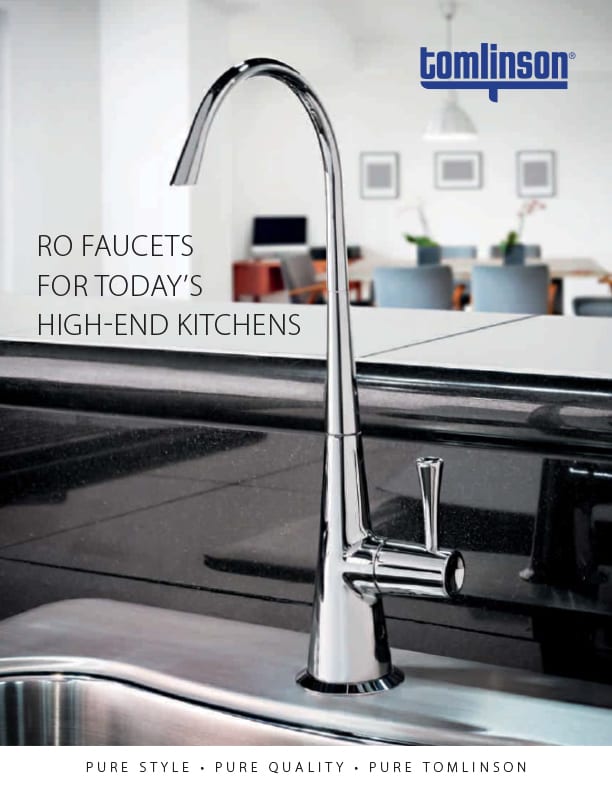
Tomlinson Full Line Faucets
-
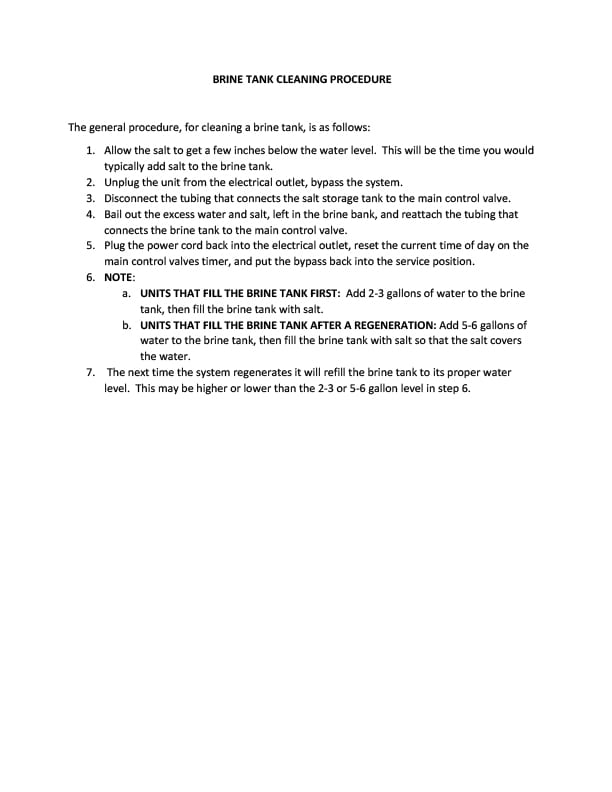
Brine Tank Cleaning Procedure
-
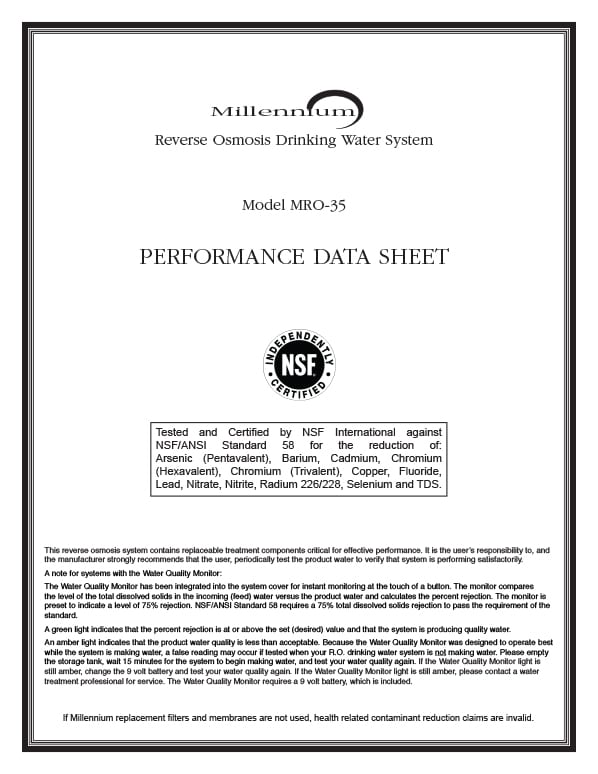
Performance Data Sheet for Model MRO-35
-
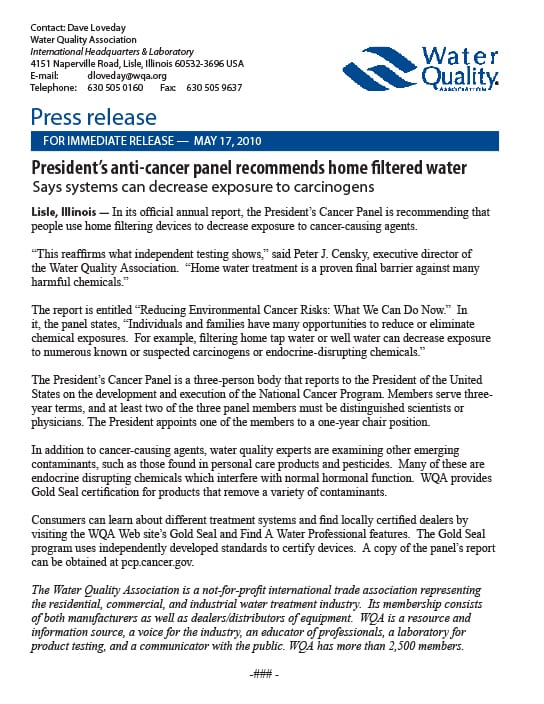
President’s Anti-Cancer Panel Recommends Home Filtered Water
-
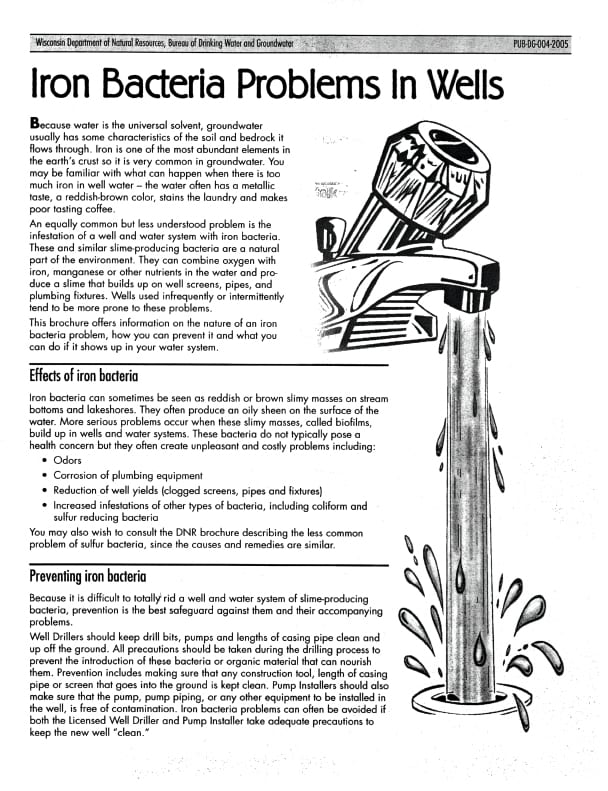
Iron Bacteria Problems in Wells
-
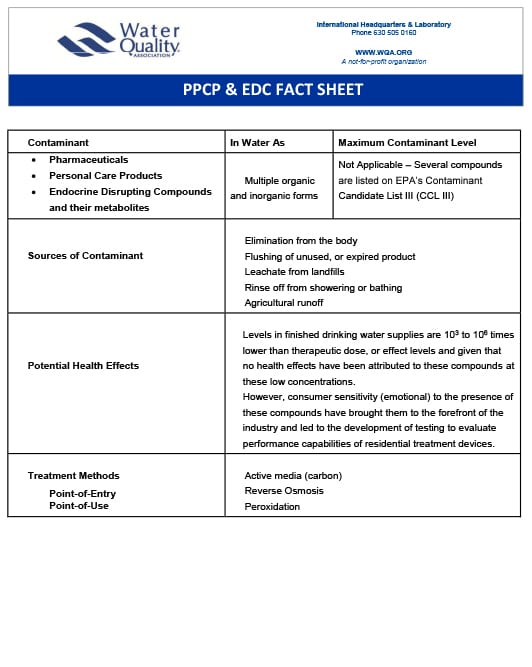
Pharmaceuticals In Water Facts Sheet
-
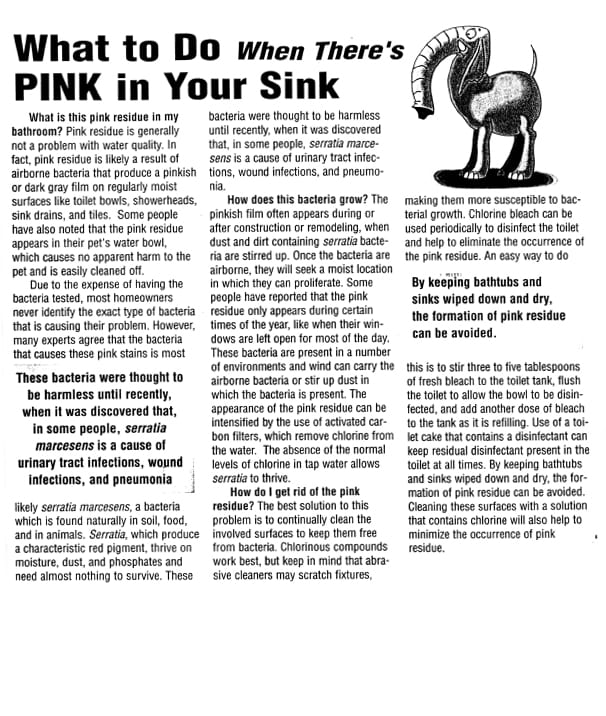
What To Do When There Is Pink In Your Sink
-

Radium Contaminants In The Water Supply
-
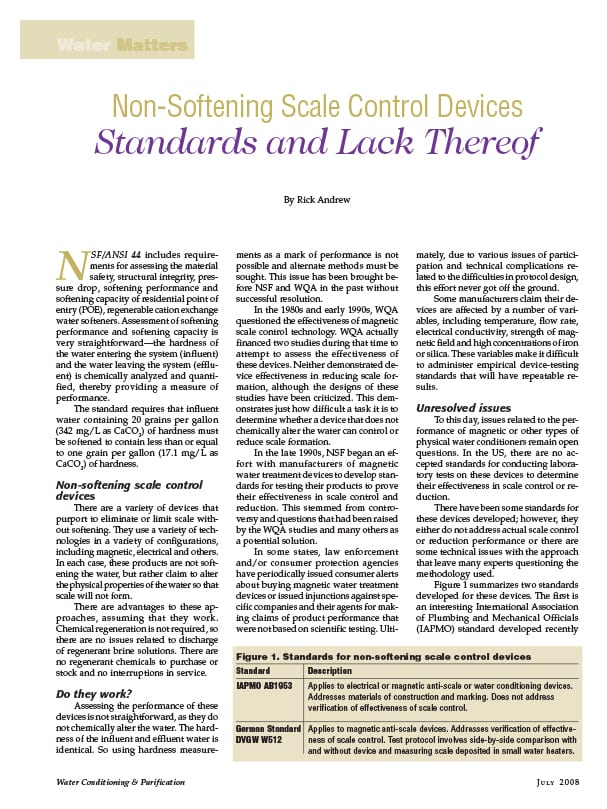
Non-Softening Scale Control Devices Standards
-
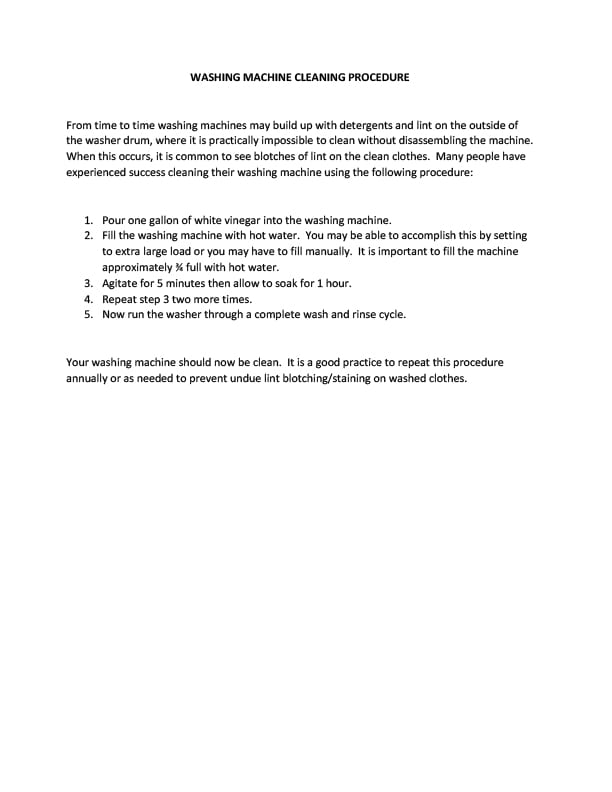
Washing Machine Cleaning Procedure
-
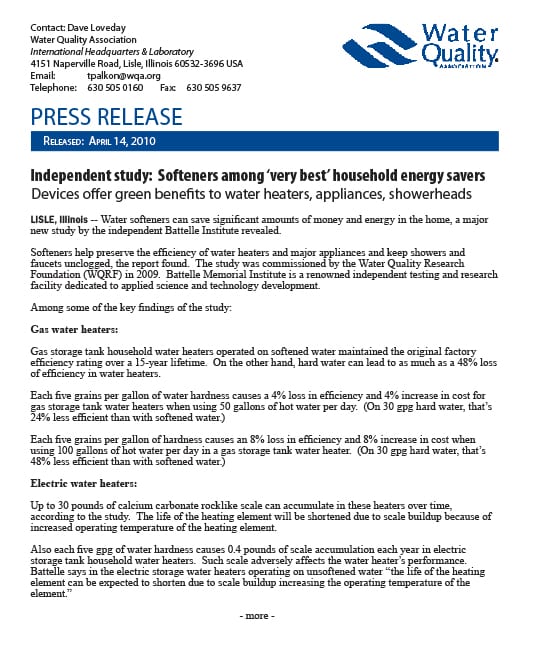
Softeners Among ‘Very Best’ Household Energy Savers
-
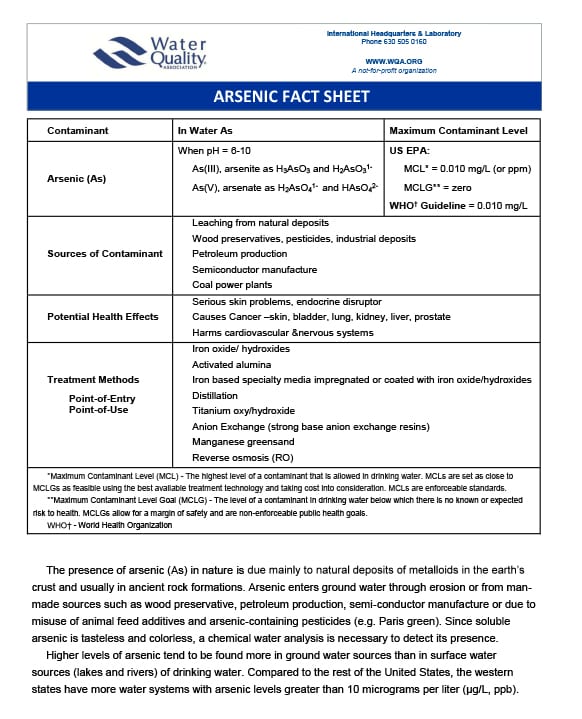
Arsenic Fact Sheet
-
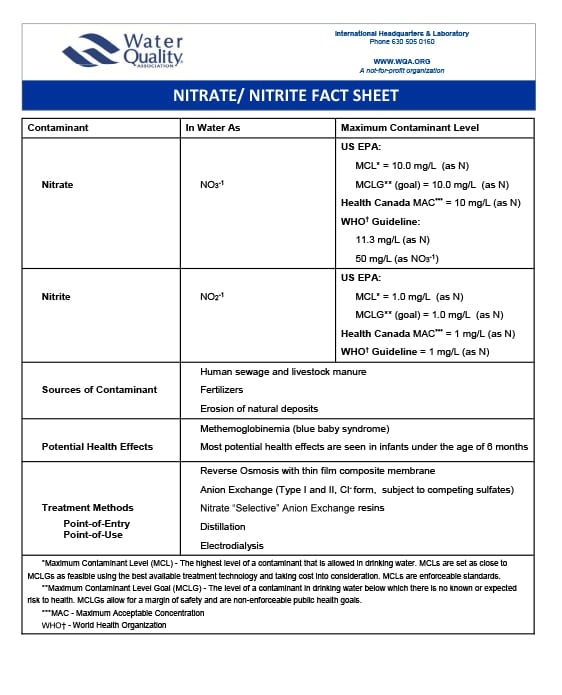
Nitrate Fact Sheet
-

Water Softener Effects on Septic System Performance
-
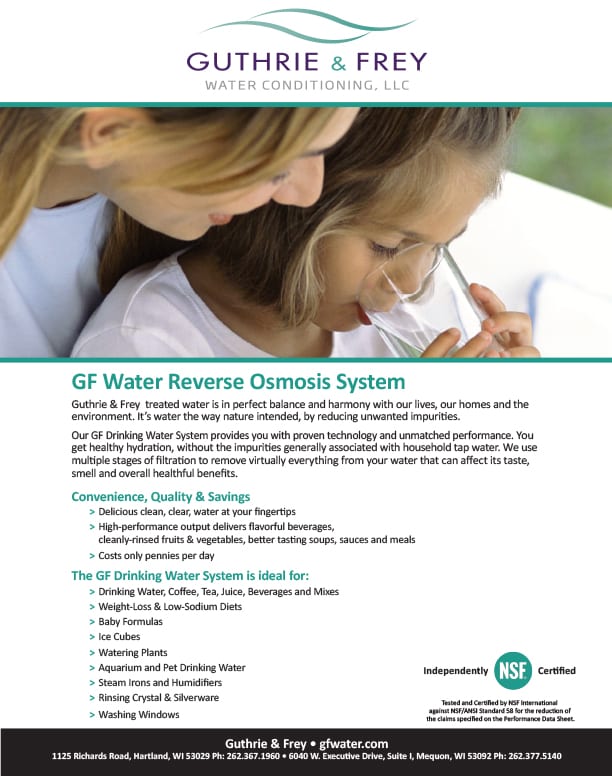
Drinking Water Brochure
-
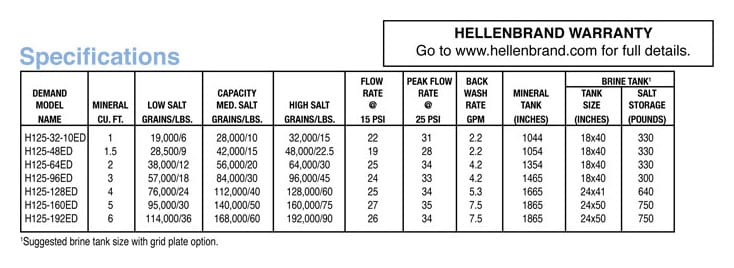
H-125 Specifications
-
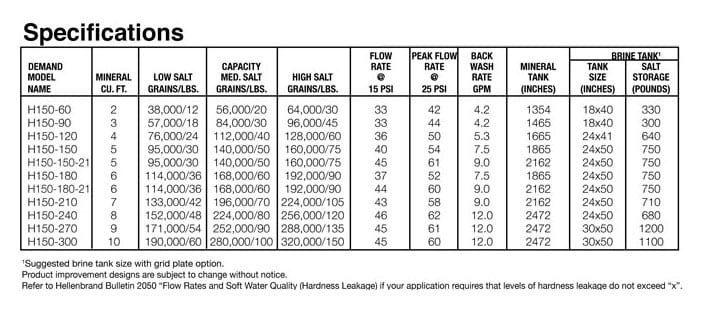
H-150 Specifications
-
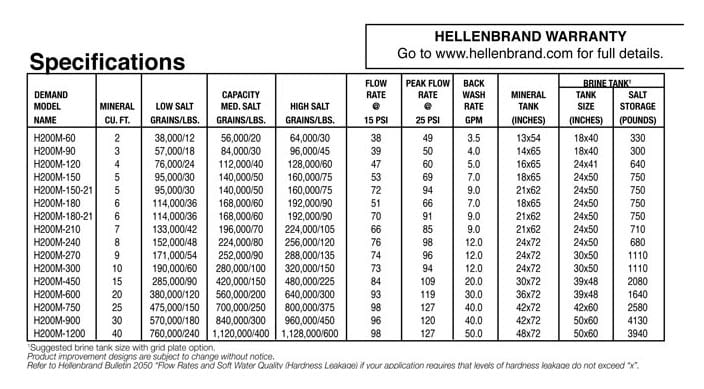
H-200M Specifications
-
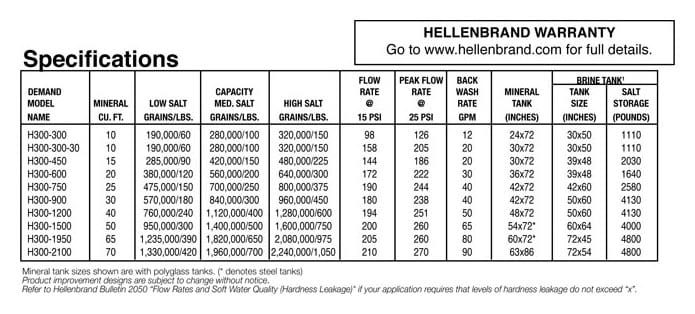
H-300 Specifications
-
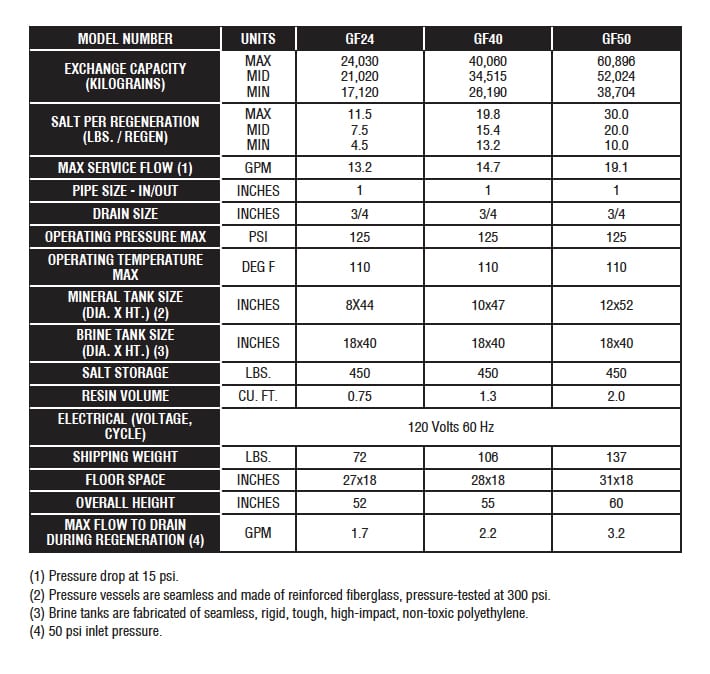
GF Series Specifications
-
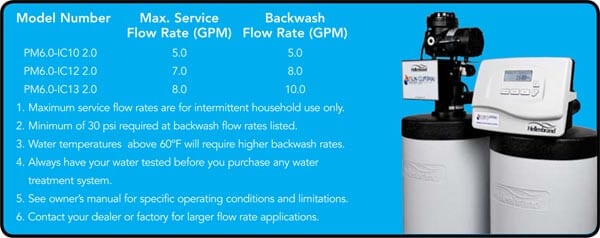
Iron Curtain 6.0 Model Specifications
Frequently Asked Questions
-
Q: How do I get rid of orange water?
A: Rusty water usually comes from well sources with high iron content and from municipal water systems with old, metal water mains. Lest you waste any money on ineffective solutions, the first step is to pinpoint the cause of your home’s rusty water. For example, if all the water supply piping in your house is copper (which doesn’t rust) and your water heater isn’t too old, you know the rust is getting into the water before it reaches your home. Another important first step is to have your tap water tested so you know exactly what’s in there. You do this because, chances are, you’re going to need a special filter to get rid of the excess iron a test will tell exactly what kind of filter to get. Due to potential conflict of interest, be sure to have your water tested by an independent testing lab, not by anyone in the business of selling and/or installing water filtration equipment.
-
Q: Why are there spots on the dishes in my house?
A: Water spots are developed by minerals in the water that are left behind when the water is evaporated during the drying cycle. If you have hard water in your home, your dishes will probably come out with plentiful water spots. A water softener works to trap calcium and magnesium, which are the minerals in water that cause hard water spots. You should invest in a water softener. This will help you avoid those maddening water spots and provide you with cleaner tasting drinking water at the same time.
-
Q: Why does the water in my house smell?
A: Water can pick up contaminants from the water source or by the many miles of city pipes buried underground. Many municipalities add chlorine to offset any problems caused by potential contaminants.
Have a different question for us?
Contact our water treatment experts today
We’re always happy to help you find the best solution!