

Well Pressure Tank Service: Replacement & Repair in WI
Your well pressure tank plays an important role in your home’s water system. It helps maintain steady water pressure and reduces how often your well pump has to turn on and off. When the tank develops a problem, you may notice changes in water pressure, unusual noises, or a pump that cycles more often than normal.
Guthrie & Frey Water Conditioning provides well pressure tank service for homeowners throughout Southeastern Wisconsin. We can inspect your system, diagnose pressure tank issues, and determine whether pressure tank repair or replacement is the best solution.
Whether you have a diaphragm tank or a well bladder tank, our experienced team can help keep your home’s water system working properly. Contact us today to schedule a service appointment.
What Does a Well Pressure Tank Do?
A pressure tank for a well stores water under pressure so your pump doesn’t need to run every time you turn on a faucet. Air inside the tank creates pressure that pushes stored water through your home’s plumbing.
The well pump pressure tank also helps protect your pump from excessive cycling. If the tank cannot maintain the proper balance of air and water, the pump may turn on and off too often. This can cause pressure changes and put added wear on the pump.
Signs of a Bad Well Pressure Tank
Pressure tank problems often cause noticeable changes in your home’s water supply. Common warning signs of an issue include:
- Water pressure that quickly rises and falls
- Low or inconsistent water pressure
- The well pump turning on and off frequently
- Unusual clicking or noises near the tank
- Water around the tank or visible leaks
- A tank that has become waterlogged
- Changes in pressure when several fixtures are being used
These symptoms do not always mean the pressure tank itself has failed. Pressure switches, plumbing, the well pump, and other components can cause similar problems. A professional inspection from Guthrie & Frey Water Conditioning can identify the source.
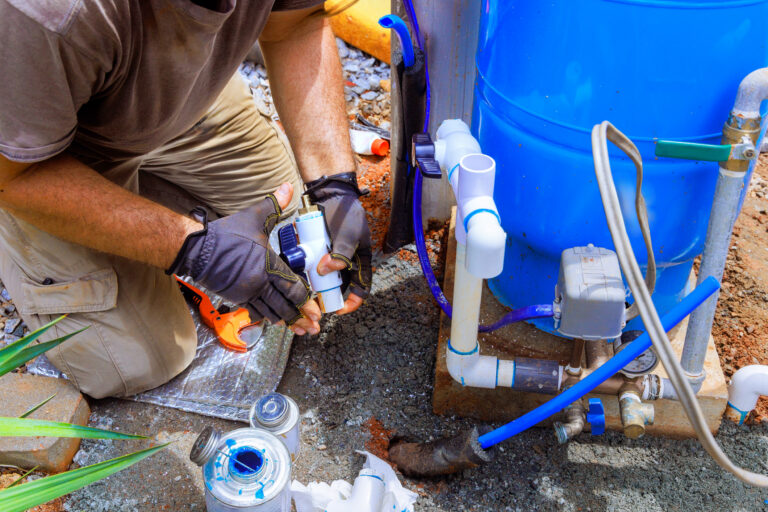
Common Well Pressure Tank Problems
Several issues can prevent a pressure tank from working correctly. Common problems include:
- Waterlogging: Too much water and too little air can cause rapid pressure changes.
- Failed bladder or diaphragm: An internal bladder can rupture or lose its ability to maintain proper pressure.
- Incorrect air pressure: Too much or too little air can affect water pressure and system performance.
- Leaks or corrosion: Older tanks may develop leaks or rust that require replacement.
- Pressure switch problems: A faulty or incorrectly adjusted switch can cause irregular cycling.
- Incorrect tank size: A tank that is too small for the home’s water demand may cause the pump to cycle more frequently.
Because several components work together, identifying the exact cause of a problem is important before making repairs.
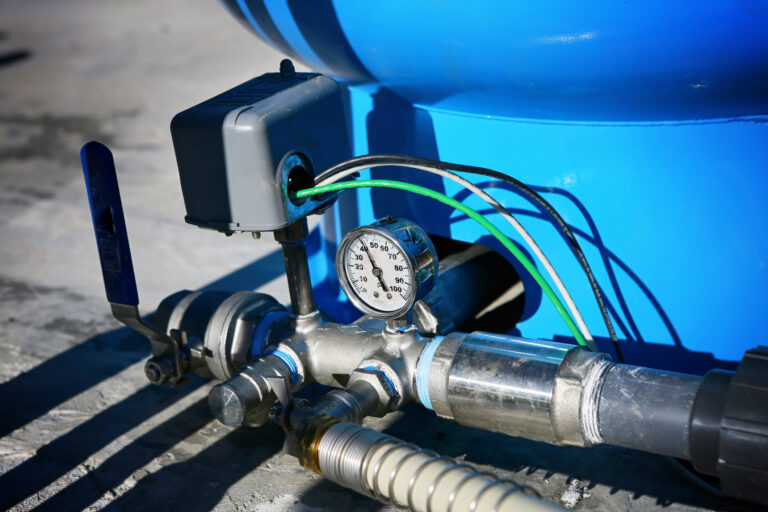
Well Pressure Tank Repair vs. Replacement
Not every pressure tank problem means you need a new tank. Some problems can be corrected by adjusting the air charge, repairing connections, or addressing related pressure controls.
A well pressure tank replacement is the better option when the tank has a failed bladder, significant corrosion, leaks, or other internal damage that cannot be repaired. Replacement may also make sense for an older tank that repeatedly causes pressure problems.
Our technicians inspect your tank and related components before recommending a solution. If repair is practical, we’ll explain your options. If well tank replacement is needed, we’ll help select a tank that fits your home’s water usage and system requirements.
When Should You Call a Professional?
Call a professional if your water pressure changes suddenly, the pump cycles frequently, the tank leaks, or pressure problems continue after basic troubleshooting.
Pressure tank issues can sometimes look like problems with the pump or other parts of the well system. Testing individual components helps avoid replacing equipment that is still working correctly.
Professional service is especially important when working with electrical components, pressure switches, or an older well bladder tank. Guthrie & Frey can diagnose the problem and recommend the right next step.
Well Pressure Tank Service in Wisconsin
Guthrie & Frey Water Conditioning provides professional well pressure tank service in Wisconsin, including Waukesha, Hartland, and surrounding Southeastern Wisconsin communities.
Our team understands the water and well systems found throughout the region. We can evaluate pressure problems, service existing tanks, and provide well pressure tank replacement when needed.
We also look at how your pressure tank works with other water treatment equipment in your home. This is especially important if you have a water softener, iron filter, whole-home system, or other treatment equipment connected to your well water supply.
Schedule Service for Your Well Pressure Tank in Hartland, WI
Don’t ignore changing water pressure or a pump that constantly cycles on and off. These symptoms may point to a problem with your pressure tank that can worsen over time.
Guthrie & Frey Water Conditioning provides pressure tank repair and well pressure tank replacement for homeowners throughout Southeastern Wisconsin. From adding a new well pressure tank in Waukesha to pressure tank needs in Hartland and surrounding communities, our experienced team can provide the right solution.
Contact Guthrie & Frey Water Conditioning today to schedule an inspection and restore reliable water pressure to your home. We offer complete well water services, including well pump services, annual water testing, and more.