

Home Water Testing in Wisconsin for Better Water Quality
3 Types of Water Testing
-
 On-site water testing
 -
 Off-site water testing
 -
 Water safety testing
 -
For all real estate transactions, private wells need to do all 3 of these tests.
Why Know What’s in Your Water: The Risks of Drinking Contaminated Water
-
Contaminant
-
EPA MCL (mg/L)
-
Potential health effects from exposure above the MCL
-
Common sources in drinking water
-
Contaminant
EPA MCL (mg/L)
Potential health effects from exposure above the MCL
Common sources in drinking water
Total Coliform (includes fecal coliform & E. coli)
zero presence
Indicate whether potentially harmful bacteria may be present.
Coliforms are naturally present in the environment.
-
Contaminant
EPA MCL (mg/L)
Potential health effects from exposure above the MCL
Common sources in drinking water
Nitrates, Total
10
Babies (especially those younger than 6 months old) who drink water containing nitrates could become seriously ill. If untreated, death may occur. Symptoms include shortness of breath and Blue Baby Syndrome.
Pregnant women can also be at risk of complications, such as preterm birth.
Agricultural and fertilizer runoff; leaching from septic tanks, sewage; erosion of natural deposits; and more.Agricultural and fertilizer runoff; leaching from septic tanks, sewage; erosion of natural deposits; and more.
-
Contaminant
EPA MCL (mg/L)
Potential health effects from exposure above the MCL
Common sources in drinking water
Arsenic
0.010
Leads to a risk of skin problems, cancer, cardiovascular system issues, nerve effects, stomach issues like nausea and vomiting, headaches, and more. Some research indicates that prolonged exposure to low concentrations in water could lead to lower IQ scores in children.
Erosion of natural deposits; mining activities; runoff from orchards; glass, metal, and electronics production waste; and more.
-
Contaminant
EPA MCL (mg/L)
Potential health effects from exposure above the MCL
Common sources in drinking water
Lead
Action Level = 0.015
Children: Could show signs of brain damage, reduced IQ, learning disabilities, behavioral problems, and developmental delaysPregnant women: Miscarriage risk, low birth weight, premature birth
Adults: Potential high blood pressure, kidney damage, reproductive problems
General symptoms: Anemia, fatigue, headaches, abdominal pain, memory issuesCorrosion of old household plumbing and public water systems; erosion of natural deposits.
On-Site Water Testing
Our on-site water testing services provide a quick and convenient way to check your home’s water quality. During your appointment, our technicians test for:
- Water hardness
- Iron levels
- TDS (Total Dissolved Solids)
- pH levels
These tests help identify common water problems such as scale buildup, staining, unpleasant tastes, odors, and plumbing wear. Our on-site water testing services give you the information you need to protect your property from water issues. We provide iron filters, water softeners, reverse osmosis (RO) treatment systems, and more to address any quality concerns.
If you need professional water testing in Hartland, Wales, Mequon, or the surrounding areas in Southeastern Wisconsin, reach out to our team.

Off-Site Water Testing Services
Some water contaminants require advanced laboratory testing for accurate results. With our off-site water testing services, we collect a sample of your water and send it to a certified lab for an in-depth analysis.
Lab testing can help identify contaminants such as:
- Lead
- PFAS (“forever chemicals”)
- Bacteria
- Nitrates
- Other potentially harmful substances
Once your results are ready, our team will explain the findings. Based on the results, we can recommend the best treatment solution. From Washington County water contamination concerns to water testing in Hartland, you can rely on us!
Safety Testing
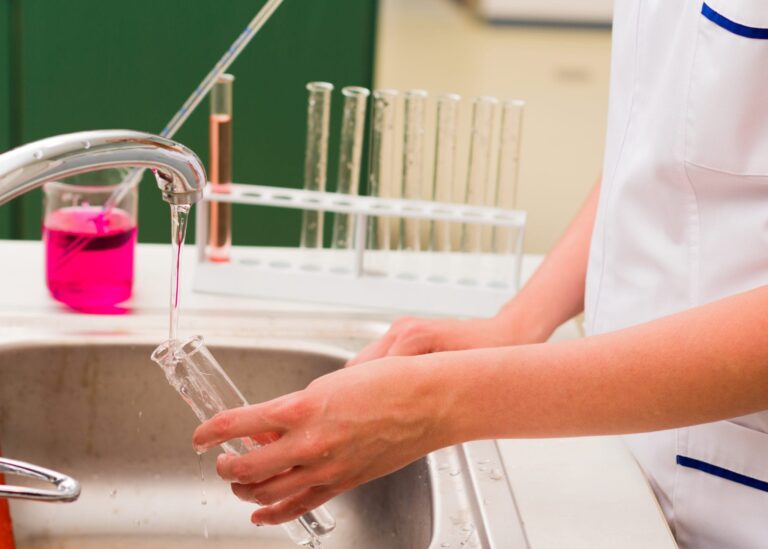
Coliform bacteria are a group of microorganisms found in plants, soil, mammals, and surface water. When coliform bacteria are present in water, it signals that your water may be contaminated with disease-causing pathogens. While most coliform bacteria aren’t harmful themselves, they indicate conditions that could support other microorganisms.
These bacteria can seep into cracked or poorly sealed wells and contaminate drinking water. Our coliform bacteria testing services will tell you whether your water is safe to consume. From there, our team will put a corrective action plan into place. Our experts recommend annual testing.
Arsenic, Bacteria & Nitrate Testing Requirements
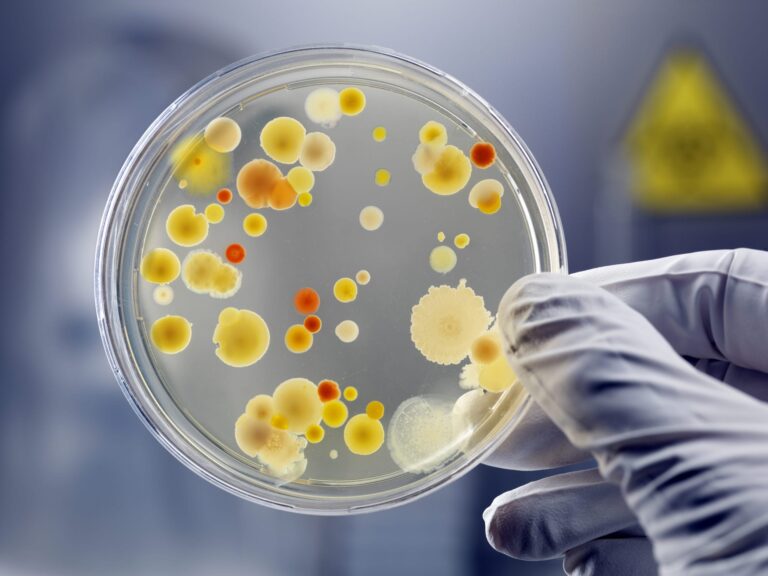
According to the Wisconsin Department of Natural Resources (DNR), most well users should test for arsenic every five years. Those in Outagamie, Winnebago, or Brown counties, or those who had arsenic in a previous sample, should test for arsenic every year.
Bacteria testing should be done once a year and whenever there’s a change in your water. Nitrate testing should also be done yearly and before a well is used by any woman who is or may become pregnant or by infant children.
At Guthrie & Frey Water Conditioning, we offer well water testing in Wales, Mequon, Racine County, Ozaukee County, Washington County, and more.

Water Testing Services at Guthrie & Frey
-
Identify Contaminants & Bacteria
At Guthrie & Frey Water Conditioning, we provide essential water testing services across Southeastern Wisconsin. Our services include free tests for hardness, iron, TDS, and pH levels. We also offer billable tests through third-party labs. These labs test for iron-related bacteria, sulfur-related bacteria, coliform bacteria, PFAS, and more.
-
Addressing Local Needs
Our expert team delivers clear results and implements effective water remediation plans. We address local needs, from Ozaukee County water quality issues and well testing to Washington County water quality concerns. We serve customers throughout these counties and surrounding areas!
-
Qualified Water Testing Professionals
You can trust our qualified professionals to protect your property with comprehensive services. We also offer extensive treatment equipment warranties and competitive pricing to help you keep your water pure.
Ask Our Water Quality Experts
-
How do we test water quality?
Guthrie & Frey can do on-site home water testing or send samples of your water to an outside lab to test for contaminants.
Are home water test kits accurate?
Home testing kits will identify some contaminants, but they can’t detect everything that professional testing can. Our on-site water analysis is free, and lab testing is offered for a fee. Contact us to schedule your water quality test today!
How do you know if water is contaminated?
Some contaminants cause yellow, red, or black stains on tubs, sinks, fixtures, and even laundry. Other contaminants, such as hydrogen sulfide gas, will give water a “rotten egg” smell.
Other contaminants, such as arsenic or nitrates, don’t cause any physical changes. The only way to know for sure if these, and many other contaminants, are in your water is to have it professionally tested.
If your water has a strange taste, odor, or appearance, it’s a good idea to schedule a water test. Otherwise, the DNR and EPA recommend annual well water testing.
How much does it cost to have your water tested?
Our free water testing service includes testing for hardness, iron, TDS, and pH issues.
What does a water test check for?
A water test checks for common water quality issues that may affect your water’s taste, smell, and overall quality. Depending on the type of test, we can identify problems such as hard water, iron, bacteria, lead, nitrates, PFAS, pH imbalances, chlorine, TDS, and more.
How long does water testing take?
Basic on-site water testing can often be completed in one appointment. More advanced laboratory testing may take several days, depending on the contaminants being tested for and the type of analysis required.
Is Wisconsin's well water safe?
Many Wisconsin homes have clean well water, but private wells can develop water quality problems over time. Contaminants such as bacteria, nitrates, arsenic, iron, and PFAS may affect some wells. Regular testing is the best way to know whether your well water is potable.
What contaminants are common in Wisconsin water?
Common water issues in Wisconsin include hard water, iron, manganese, sulfur odor, bacteria, nitrates, arsenic, PFAS, and volatile organic compounds (VOCs). Some contaminants are easy to notice, while others may not have any visible signs.
How often should well water be tested?
Private well water should typically be tested at least once per year. Additional testing may be recommended after flooding, plumbing repairs, changes in water taste or smell, or if nearby contamination concerns are reported.
Can you test for PFAS?
Yes, advanced laboratory water testing can help detect PFAS, also known as “forever chemicals,” in water.
Can hard water affect appliances?
Yes, hard water can cause mineral buildup inside appliances and plumbing. Over time, this buildup may reduce efficiency, shorten appliance lifespan, and increase maintenance or energy costs.
What does a sulfur smell in water mean?
A sulfur or “rotten egg” smell in water is usually caused by hydrogen sulfide gas. Often, this is linked to sulfur-reducing bacteria.
Is orange water dangerous?
Orange water is commonly caused by iron in the water supply or rust inside older plumbing systems. While iron in water is not usually considered a health concern, orange water can stain sinks, tubs, toilets, laundry, and fixtures. It may also affect your water’s taste and appearance.
What is the difference between city water and well water?
City water is treated by a municipal water system and usually contains disinfectants such as chlorine or chloramine. Well water comes from a private underground source and is not municipally treated. Homeowners are responsible for testing and maintaining their own well water.
Have a different question for us?
Contact our water treatment experts today. We’re always happy to help you find the best solution!
Learn More About Water Testing