

Contact Us
If you know what you are looking for, we can help! Have questions? We can help with that too! Contact us to get in touch with an expert.
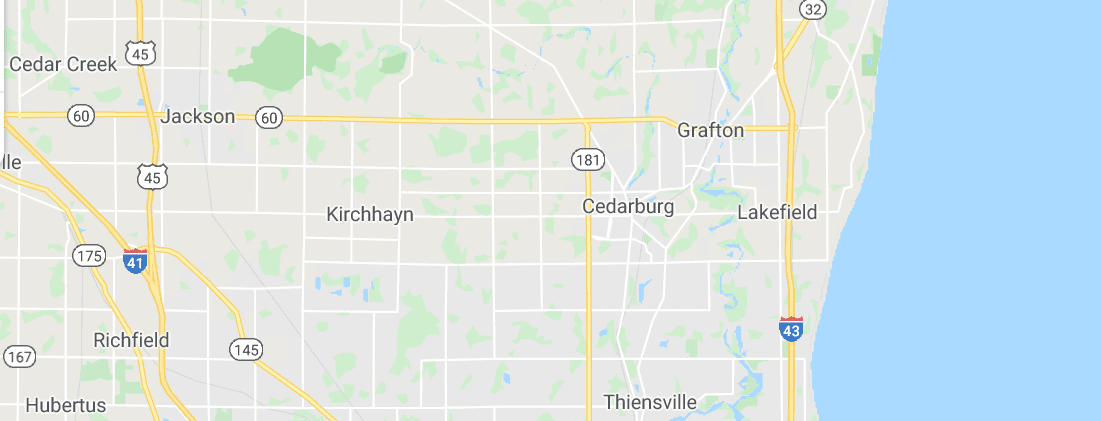
Water Softener Services in Cedarburg
Cedarburg’s residents and businesses use 450 million gallons of water each year! Cedarburg’s public water supply meets all state regulations; however, water softeners in Cedarburg are still necessary in most homes due to hard water. In fact, Cedarburg Light & Water recommends water softeners for Cedarburg homes. As water flows throughout Cedarburg from its source to your home, it picks up various contaminants along the way, creating hard water. Hard water can cause concerns in your home’s plumbing fixtures and appliances. A home water softener system provides soft water to your home.
Our water softeners are built to meet Cedarburg’s water hardness levels of 25,000-35,000 grains of hardness. Additionally, our water softeners are built to be energy efficient, worry-free, and long-lasting.
"*" indicates required fields
Contaminant
About the Contaminant
Signs of the Contaminant
Contaminant
About the Contaminant
Signs of the Contaminant
Hard Water
Although not harmful to your health in small amounts, it can have severely negative effects on appliances causing them to have a short lifespan.
White chalky buildup on fixtures and appliances. Water leaves white spots on glasses and dishes.
Contaminant
About the Contaminant
Signs of the Contaminant
Arsenic
Arsenic has been found in several Cedarburg homes causing negative effects on homeowner’s health – especially pregnant women and children.
The only way to detect arsenic is to have your water professionally tested.
Contaminant
About the Contaminant
Signs of the Contaminant
Lead
Lead in water happens from eroded pipes and fixtures. Lead is more common in older homes.
A home water test is required.
Contaminant
About the Contaminant
Signs of the Contaminant
Sulfur
Sulfur is not known to have negative health effects, but can cause your water to taste different in high concentrations.
Rotten egg smell



A: You cannot see, taste, or smell arsenic in water. To detect arsenic, a professional water test is required.
A: Typically, water softeners last 15-20 years. If properly cared for and maintained, you could potentially have your water softener for even longer!
A: Cedarburg is known to have hard water. The benefit of a water softener in Cedarburg is to reduce the hard water that enters your home, thus reducing chalky build-up on plumbing fixtures. Having soft water will allow your appliances and fixtures to last to their full potential.

We’re always happy to help you find the best solution!

Residential
Hard water can be much more problematic than you think. It can cause buildup of mineral scale inside your appliances and plumbing.
Ideal For:

Residential
The Guthrie & Frey Twin Alternating Water Softener provides a continuous supply of softened water with no downtime for regeneration.
Ideal For:
If you know what you are looking for, we can help! Have questions? We can help with that too! Contact us to get in touch with an expert.

You cannot taste, smell or see arsenic. Testing is the only way to identify arsenic in drinking water. Let Guthrie & Frey identify whether you water contains arsenic.

Schedule automatic salt delivery, hassle-free. Guthrie & Frey will place the salt right into your brine tank on your scheduled day, perform a visual inspection of your equipment, and haul the empty bags away.
As water flows from through Mequon over the surface and underground, it picks up various forms of contaminants. Learn about these contaminants and how Guthrie & Frey can help you bring soft water into your Mequon home.
The drinking water in Ozaukee County is divided into private and public systems. Roughly half of the county’s population receives water from groundwater sources known to you as public water utilities – each with unique water concerns.
While most residents get their drinking water from municipal wells, over 10,000 homes in the area have private wells. Municipal and private wells provide their own unique challenges that vary based on the depth of your well, indicating what contaminants will be in your water.